

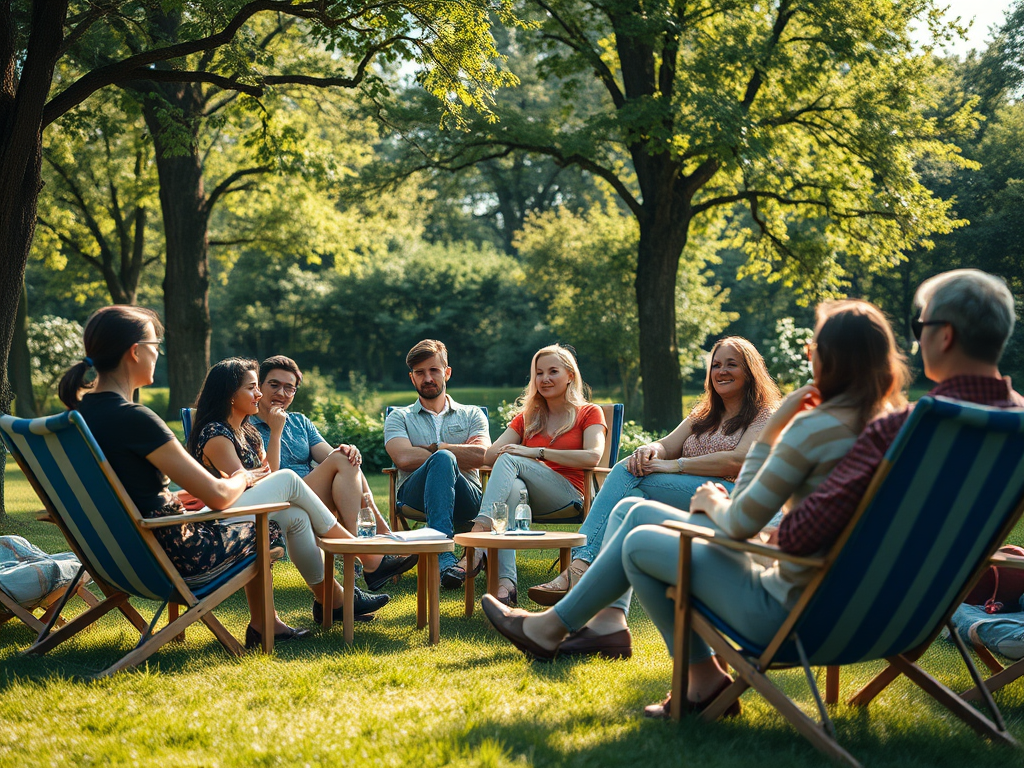
A Guide for Intentional Team Gatherings, with Place That Matters
An awayday isn’t just a long meeting with snacks. When done well, it offers breathing space for recalibration, reconnection, and quiet recalculation of what matters most. The “away” part isn’t just metaphorical. Physically leaving your everyday setting, whether it’s an office, campus, digital routine, or institutional system, signals a shift. It invites people to think, speak, and relate differently.
This guide supports you in designing off-site gatherings that renew energy and clarity. It blends structure with spaciousness, care with creativity, and clarity with collective momentum.
1. Start With Why, and Where
Purpose and place shape each other. Ask not just “What are we doing?” but “Where are we doing it, and what does that make possible?”
☑ Common catalysts for awaydays:
☐ Regrouping after organisational shifts or transitions
☐ Strategic visioning, problem-solving, or generative planning
☐ Repairing relational tensions or reweaving culture
☐ Re-introducing hybrid or geographically dispersed teams
☐ Resetting rhythms after periods of intensity or pause
✍ This awayday is meant to help us ____________________________
✍ Being away from our usual environment matters because ____________________________
🟦 Prompt: Environment influences presence. If the goal is fresh connection or thinking, step beyond familiar walls.
2. Why “Off Site” Matters, More Than a Change of Scenery
Changing context changes conversation. It alters what people notice, how they show up, and how they listen.
☑ Benefits of going off-site:
- Psychological safety shift, Detachment from daily roles makes space for honesty
- Interrupting routine, Different spaces interrupt habitual thinking and spark playfulness or risk-taking
- Equity and reset, Neutral ground softens hierarchical dynamics, particularly in institutions
- Ritual and memory, Meaningful environments make gatherings memorable and mark cultural moments
- Embodied signal, Saying “this is important enough to leave the usual space” invites presence
✍ I want the location to feel ____________________________
✍ We’re choosing to meet here because it encourages ____________________________
🟦 Prompt: Don’t underestimate the space itself, it’s part of the facilitation. Walls carry stories. Choose them with care.
3. Design the Awayday Like a Journey
Moving off-site lets you shape time with rhythm, not just agenda blocks.
| Segment | Focus | Mode |
| Arrival | Orientation, arrivals, tone-setting | Walking intro, informal welcome |
| Grounding | Presence, purpose, reflection | Check-in round, quite prompt |
| Deep Dive | Strategy, insight, and challenge mapping | Facilitated session |
| Creative Shift | Embodied or visual expression | Mapping, collage, sketching |
| Synthesis | Naming what emerged | Harvest wall, group share-out |
| Commitment | What’s next, and who holds it | Closing circle, shared notes |
✍ A rhythm shift we’re introducing is ____________________________
✍ Stepping out of routine will help us see ____________________________
🟦 Prompt: Physical transitions (different spaces, post-lunch walks, outdoor moments) help metabolise ideas and keep energy intact.
4. Curate a Space That Supports Inclusion and Ease
People can only relax into dialogue when their basic needs are anticipated and met.
☑ Off-site design considerations:
☐ Accessibility (mobility, neurodiversity, quiet space, scent-free options)
☐ Natural light and ventilation
☐ Breakout or informal reflection spaces
☐ Comfortable seating and movement options
☐ Transport, childcare, and travel time equity
☐ Good food (this matters more than most people admit)
✍ We chose this setting because it offers ____________________________
✍ One accessibility or care need we’re honouring is ____________________________
🟦 Prompt: The best ideas often arrive when people feel safe, spacious, and slightly surprised by their surroundings.
5. Craft Moments That Couldn’t Happen in a Boardroom
Awaydays enable depth when they break from your usual ways of working.
☑ Ideas for rich activities:
☐ “Reverse panels” – juniors share provocations, seniors listen
☐ Quiet walks or solo reflection followed by small-group dialogue
☐ Creative synthesis – draw “what we didn’t say but felt”
☐ Landscape anchoring – what does this place invite us to notice?
✍ One activity we’ll try, made possible by being off-site, is ____________________________
🟦 Prompt: Use the setting to unstick stuck patterns. What would feel too vulnerable, playful, or honest in a regular meeting room?
6. Leave With Threads, Not Loose Ends
Good awaydays don’t just feel great in the moment; they resonate weeks later.
☑ Closing techniques:
☐ “What are you walking away with, and what will you carry forward?”
☐ Physical reflection (e.g., postcard to future self)
☐ Capture key themes visually or photographically
☐ Shared commitment tree or digital space for ongoing reflections
☐ Close with a circle, not a countdown
✍ A thread I want us to keep weaving after today is ____________________________
✍ We’ll share back what we learned by ____________________________
🟦 Prompt: An awayday is a ritual. Let its ending hold weight, enough to ripple forward.
Final Reflection: Going Off-Site Isn’t Extravagant; It’s an Investment in Thinking Differently
Holding space somewhere else doesn’t just signal importance. It creates it. Physical context holds metaphorical power: to step away, to step up, to step in again with renewed care. Done well, an off-site gathering can mark a before and after, a cultural pivot rooted in clarity, connection, and deeper trust.
🟦 Prompt: ✍ We’re leaving our everyday space not to escape work, but to remember why it matters and how we want to do it together.

You’re always welcome to view Gwenin for a selection of frameworks, or pop over to Spiralmore’s extended PDF collections. In addition, you’re always welcome to explore our more relaxed corner: the informal blog.


 Gwenin: Clarity by Design