

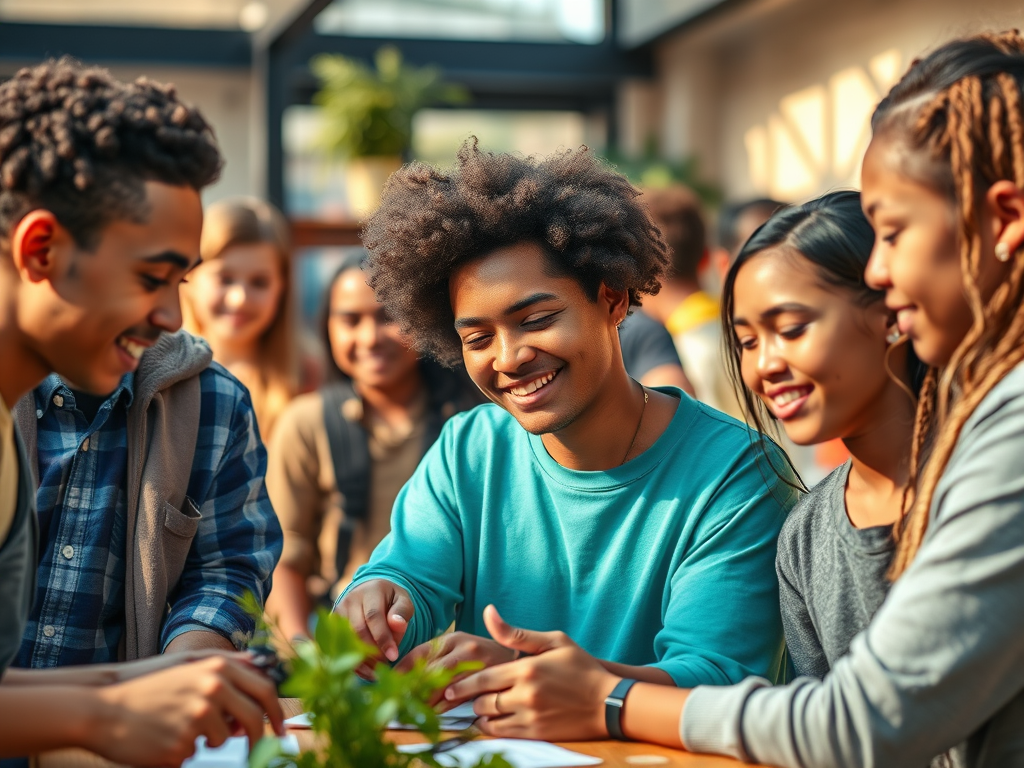
Imagine students not just reading about theories, but putting them into action in real communities, solving problems, reflecting on outcomes, and learning through doing. That’s the essence of experiential and service learning, where education moves beyond the classroom and becomes a lived, practical experience.
Experiential learning involves hands-on activities that connect theory to practice. This could be laboratory work, simulations, internships, or field research. Service learning, a subset of experiential learning, pairs these activities with community engagement, allowing students to apply skills while contributing to society. Both approaches enhance understanding, foster empathy, and develop transferable skills.
Why does it work? When students experience concepts firsthand, learning becomes active, reflective, and personal. They see the impact of decisions, adapt to unexpected challenges, and integrate knowledge across contexts. Service learning adds an ethical and social dimension, encouraging students to consider community needs, social justice, and civic responsibility.
Practical examples include:
- Education students designing workshops for local schools.
- Business students consulting for non-profits to develop marketing or financial strategies.
- STEM students conducting citizen science projects that support local environmental initiatives.
Staff play a crucial role in structuring these experiences. Clear learning objectives, ongoing reflection, and guidance help ensure that students gain skills, insights, and measurable outcomes. Reflection sessions, journals, or group debriefs allow students to consolidate learning and articulate connections between theory and practice.
Technology can extend the reach and impact of experiential learning. Platforms like Slack or Microsoft Teams support communication among teams, while digital portfolios such as Mahara allow students to document experiences, reflections, and achievements.
Practical tips for staff include:
- Align experiential activities with clear learning outcomes.
- Scaffold projects with milestones, guidance, and feedback.
- Incorporate structured reflection to deepen understanding.
- Foster connections with community partners for authentic engagement.
For students:
- Approach projects with curiosity, responsibility, and adaptability.
- Engage actively with community partners, peers, and supervisors.
- Reflect regularly to link experiences back to course content.
- Document achievements and learning for personal and professional growth.
Evidence shows that experiential and service learning enhances engagement, improves problem-solving skills, and fosters civic awareness. Students who participate in these programs often report higher motivation, better teamwork skills, and a stronger sense of purpose in their studies.
For further reading, see Advance HE on experiential learning and Eyler, J., & Giles, D. E. (1999), Where’s the Learning in Service-Learning?.
The takeaway? Experiential and service-learning bridges the gap between classroom theory and real-world practice. When students engage actively, reflect thoughtfully, and contribute meaningfully, learning becomes richer, deeper, and more memorable.